
Aged care is not just a bed count: good aged care goes beyond capacity
Good aged care design goes beyond capacity. It creates environments that support residents, families, staff and changing care needs every day.
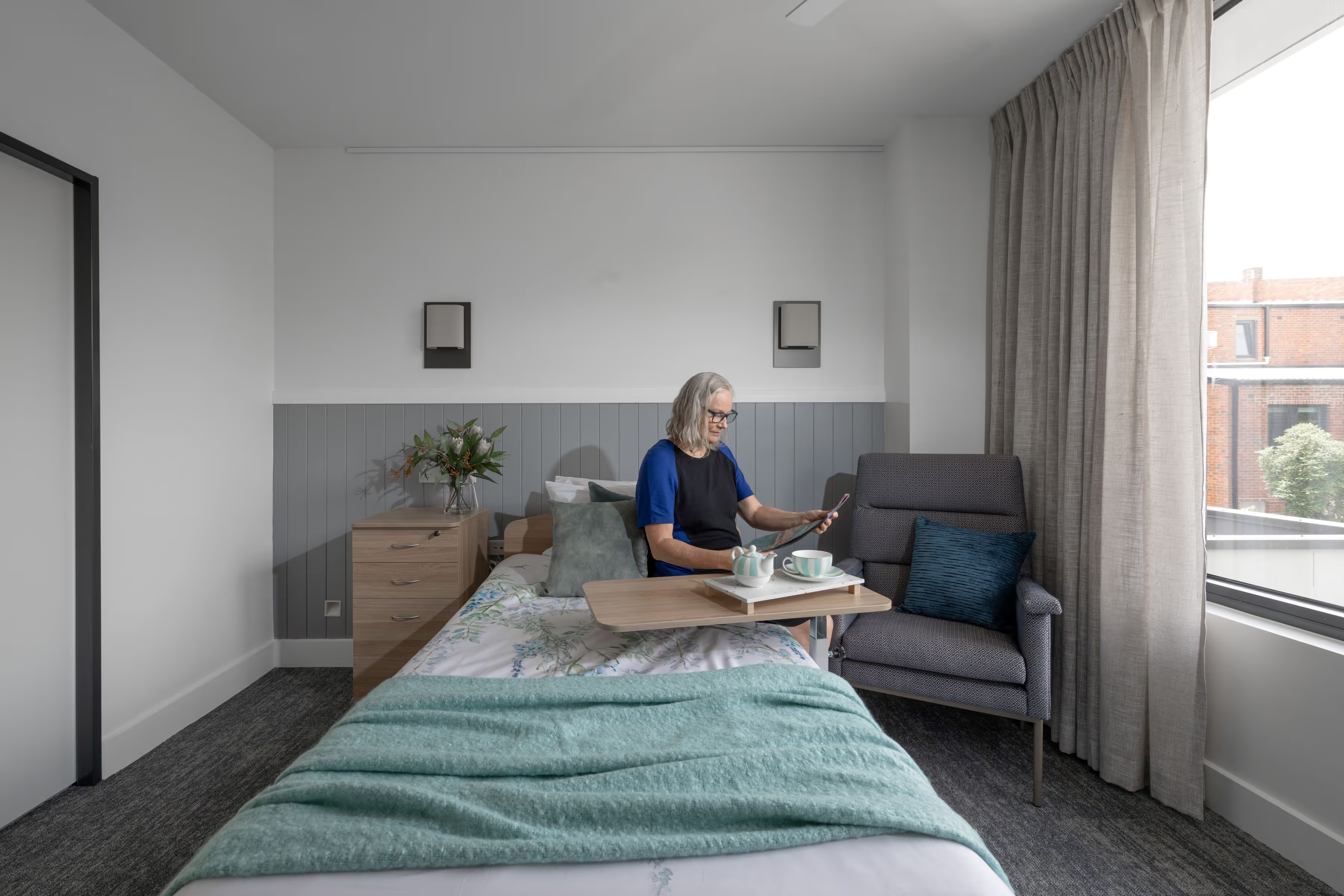
Aged care design is often discussed through capacity, funding and delivery. These are important measures, but they are not the full measure of a successful project.
For providers, health networks and project teams, the real value of an aged care environment is tested every day. It is tested in how easily staff can move through the building, how clearly residents can find their way, how families are welcomed, and how well the facility can respond as care needs change.
At HSPC Health Architects, our aged care experience spans more than 35 years across residential care, dementia care, independent living, respite care, palliative care, social spaces and staff areas. That history matters because aged care projects are rarely simple. They need to balance care, comfort, compliance, operations and future change within one clear design response.
The value is in the daily use
A good aged care facility is not defined by the number of rooms alone.
It is defined by how well those rooms connect to shared spaces, staff areas, gardens, services and family spaces. A bedroom may provide privacy, but it also needs to sit within a wider setting that supports movement, routine and social connection.
At Regis Camberwell, this was an important part of the design response. The project brought together 112 private beds, independent living apartments, permanent care, respite care, palliative care and a dedicated dementia unit within a four level residential setting.
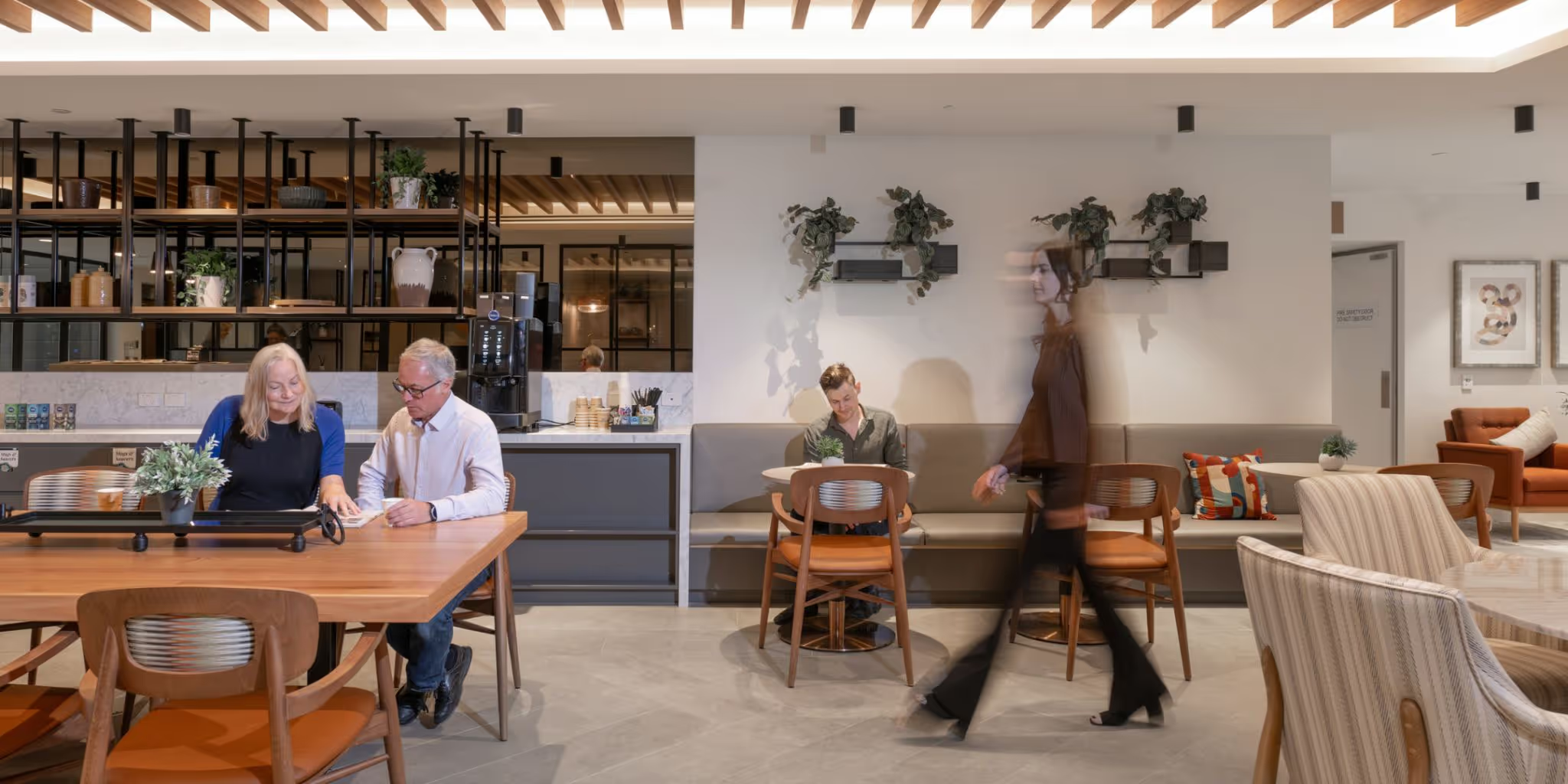
The facility also includes a salon, day spa, library, cinema and private dining room. These spaces are not decorative extras. They support daily life, family visits and a sense of familiarity for residents.
For project teams, this is where design has real value. It helps a facility work as a whole, rather than as a collection of separate rooms.
Care needs clear planning
Aged care buildings need to support many different people at once.
Residents need spaces that feel calm, safe and familiar. Families need places to spend time comfortably. Staff need practical layouts, clear movement and support areas that are close to where care is delivered. Operators need buildings that can be maintained, adapted and used efficiently over time.
When these needs are not planned together, the building can create pressure. Staff may travel further than they need to. Shared spaces may sit unused. Residents may find movement confusing. Families may feel like visitors to a service, rather than guests in a home.
Good planning reduces these issues. It gives the building a clear logic, while still allowing it to feel warm and personal.
Dementia care needs careful judgement
Dementia care is one of the clearest examples of why aged care design needs more than a standard layout.
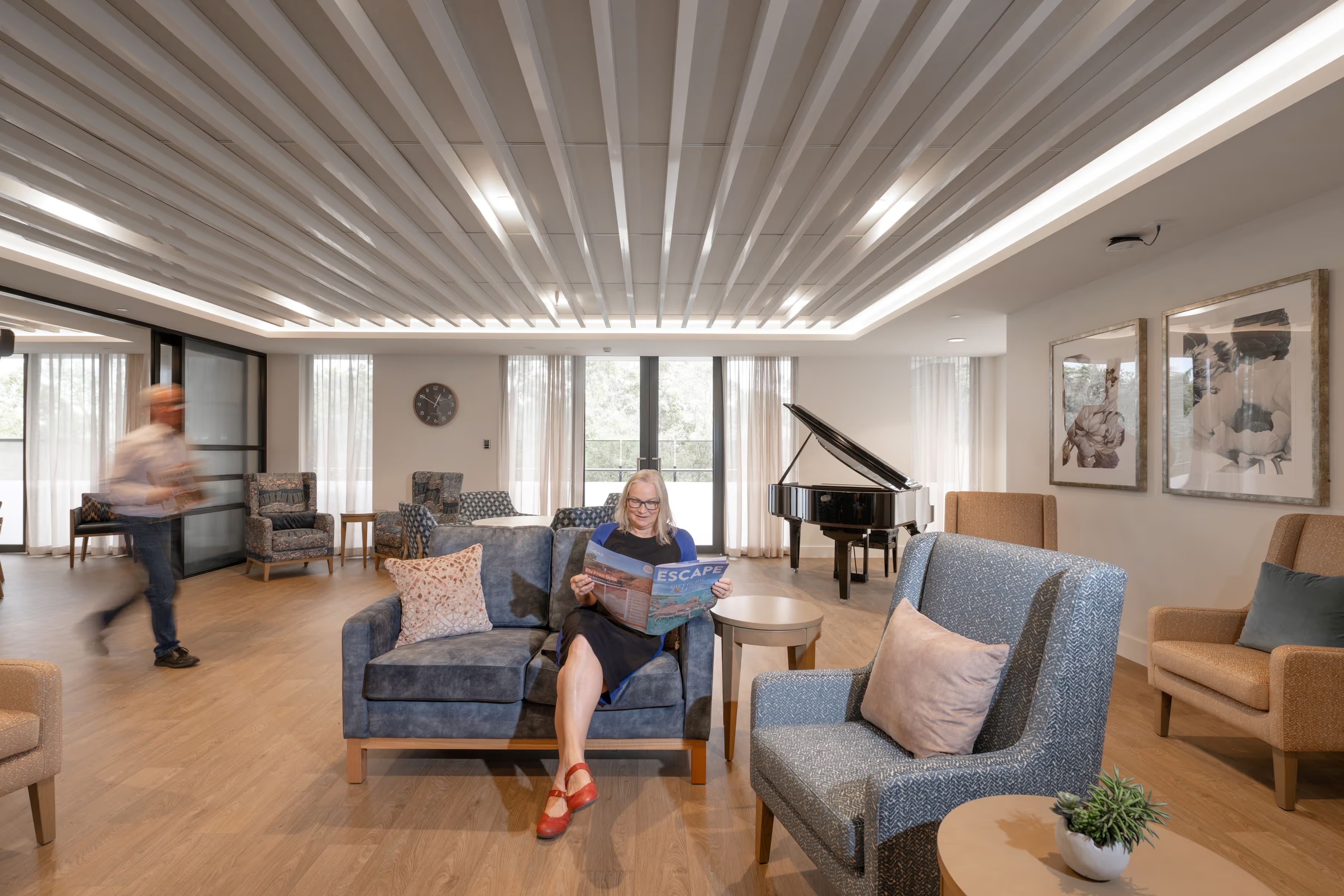
The environment needs to support safety, supervision and easy movement, but it should not feel controlled or institutional. Residents need familiar spaces, clear visual cues, natural light and places that support routine.
At Mirridong Aged Care in Bendigo, the 16 bed dementia expansion was integrated into an existing facility. The project included lounge and dining spaces, social areas and staff administration, with careful connections back to the original building.
This type of work is complex because the design needs to improve the resident experience while also supporting staff and existing operations. The pitched ceiling in the lounge and dining area helped create a brighter and more open setting, giving residents a comfortable place to gather and spend time.
The lesson is simple. Dementia design is not only about security. It is about creating spaces that support confidence, comfort and care.

Existing facilities still have value
Many aged care providers are not starting with a blank site.
They are working with existing buildings, older layouts, changing care models and staged capital works. In these situations, the design response needs to be practical and precise. It needs to identify what should be kept, what should be improved and where investment will have the greatest effect.
This is where experience across different project types becomes important. Our aged care portfolio includes projects such as Regis Camberwell, Mirridong, Riverside Japara Tasmania, St Vincent’s Aged Care Werribee, Regis Armadale, Regis Legana.
These projects vary in scale and setting, but they share a common challenge. Each one needed to support care delivery while improving the quality, function and comfort of the environment.
Better design supports better operation
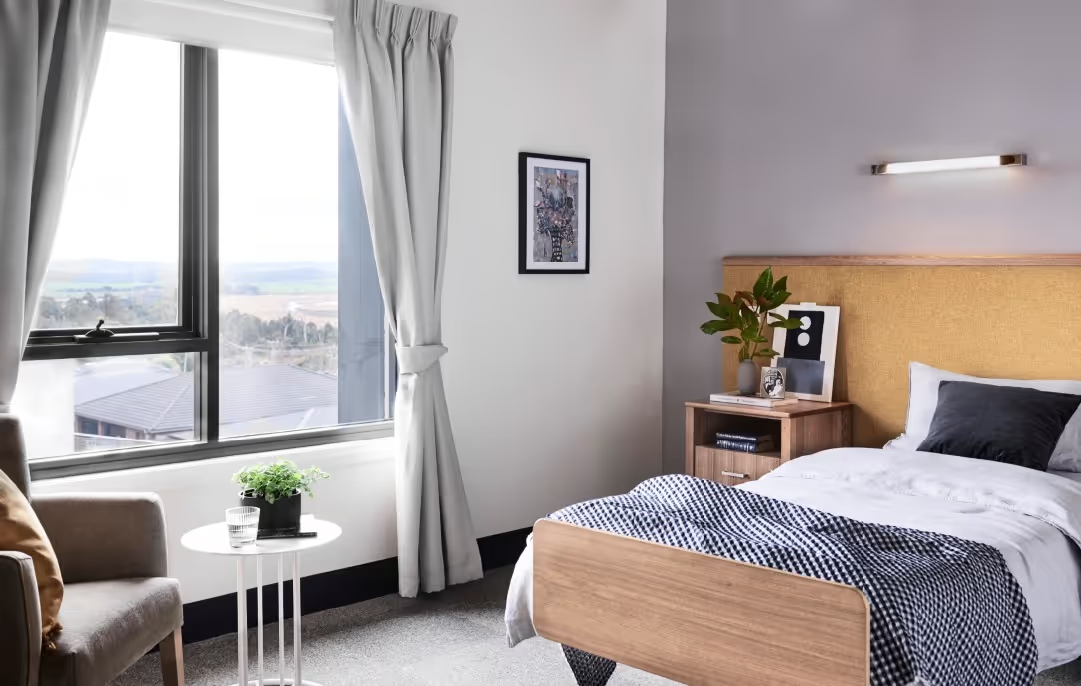
Aged care design cannot focus only on the resident facing spaces.
The quality of staff areas, service access, back of house planning, sightlines and movement paths has a direct effect on how a facility operates. If these elements are not resolved, the building can become harder to manage over time.
Good design supports care teams by reducing unnecessary movement, improving access to support spaces and making daily routines easier to manage. It also helps operators plan for future change, whether that means shifting care needs, new service models or later stages of work.
This practical side of design is not separate from resident wellbeing. It supports it. When staff can work more efficiently and safely, residents benefit.

Aged care that works beyond handover
A successful aged care project should continue to perform well after completion.
It should support residents through changing needs. It should help staff deliver care with confidence. It should give families a sense of comfort and welcome. It should help operators manage the building without constant compromise.
That is why aged care is not just a bed count. The real measure is how well a place supports care, comfort, dignity and daily operation over time.


